What are gluten-containing cereals?
Gluten-containing cereals are one of the 14 allergen categories that must be identified under European Union food information legislation.
Gluten is a group of proteins found in certain cereals. It helps give dough its elasticity and contributes to the texture of many baked goods. For people with wheat allergy, coeliac disease or other gluten-related conditions, identifying ingredients accurately is important. However, these conditions are different and should not be confused.
Which cereals are included?
The EU allergen category includes gluten-containing cereals such as:
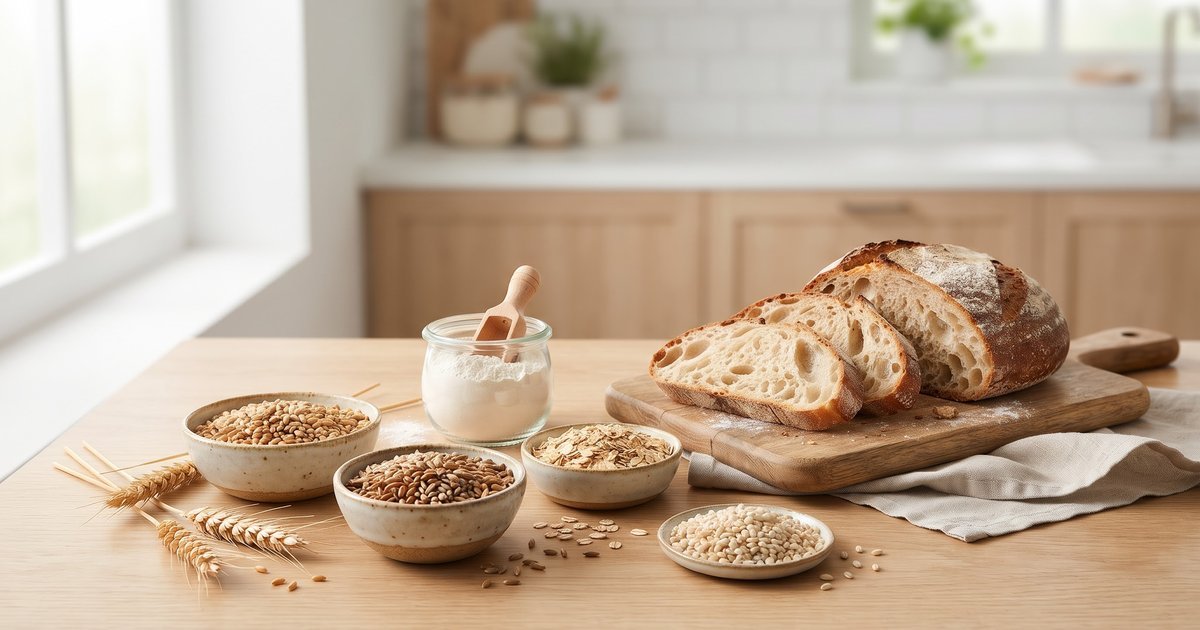
Wheat – used in bread, pasta, pastries, cakes and many other foods.Rye – found in certain breads and baked products.Barley – used in products including malt and some beverages and foods.Oats – may contain gluten or become contaminated during growing or processing.Spelt – a type of wheat.Khorasan wheat (Kamut) – a type of wheat.Hybridised strains of these cereals – as covered by EU legislation.
European legislation provides specific exemptions for certain products and ingredients. Their exact classification should therefore be checked against the applicable legal requirements.
Which foods may contain gluten?
Gluten is commonly associated with bread and baked goods, but it may also be present in many other foods:
pasta, noodles, pizza and pastries;cakes, biscuits, cookies and some desserts;breadcrumbs, breaded foods and certain processed meat products;soups, sauces and dishes thickened with flour;some prepared meals, seasonings and food mixes;products containing flour, malt or cereal-derived ingredients.
This list is illustrative. Whether a food contains gluten depends on its ingredients and preparation process.
Are wheat allergy and coeliac disease the same?
No. Although some symptoms may overlap, these are different conditions.
Wheat allergy is an immune-system reaction to certain proteins in wheat. Reactions can range from mild symptoms to severe allergic reactions.
Coeliac disease is an autoimmune condition in which eating gluten triggers a reaction that damages the small intestine.
Non-coeliac gluten or wheat sensitivity may cause symptoms after consuming these foods, but it is not the same as wheat allergy or coeliac disease.
Diagnosis and dietary advice should be provided by an appropriate healthcare professional. People should not diagnose themselves based on symptoms alone.
Why does cross-contact matter?
Even when flour is not a main ingredient in a dish, gluten may be transferred during preparation. This can happen through utensils, work surfaces, frying oil shared with breaded foods or shared ingredients.
People who need to avoid gluten strictly require accurate information about both ingredients and food preparation. A recipe that contains no gluten-containing ingredients does not automatically guarantee that cross-contact has not occurred.
What should restaurant customers know?
When ordering food, ask staff about the dish's ingredients and possible sources of gluten. Sauces, side dishes and garnishes may contain ingredients that are not obvious from the dish's name.
Allergen information should reflect the actual recipe and ingredients used. Any uncertainty should be clarified before placing an order.
Accurate information supports informed choices
Understanding gluten-containing cereals helps consumers ask the right questions and make informed choices. For people with allergies or gluten-related conditions, information about ingredients and the risk of cross-contact is particularly important.
This article is for general information only. It does not replace medical advice or dish-specific information about ingredients.
💬 Comments (0)
💬 Join the Conversation
Log in quickly with Telegram to leave a comment.