Peanuts
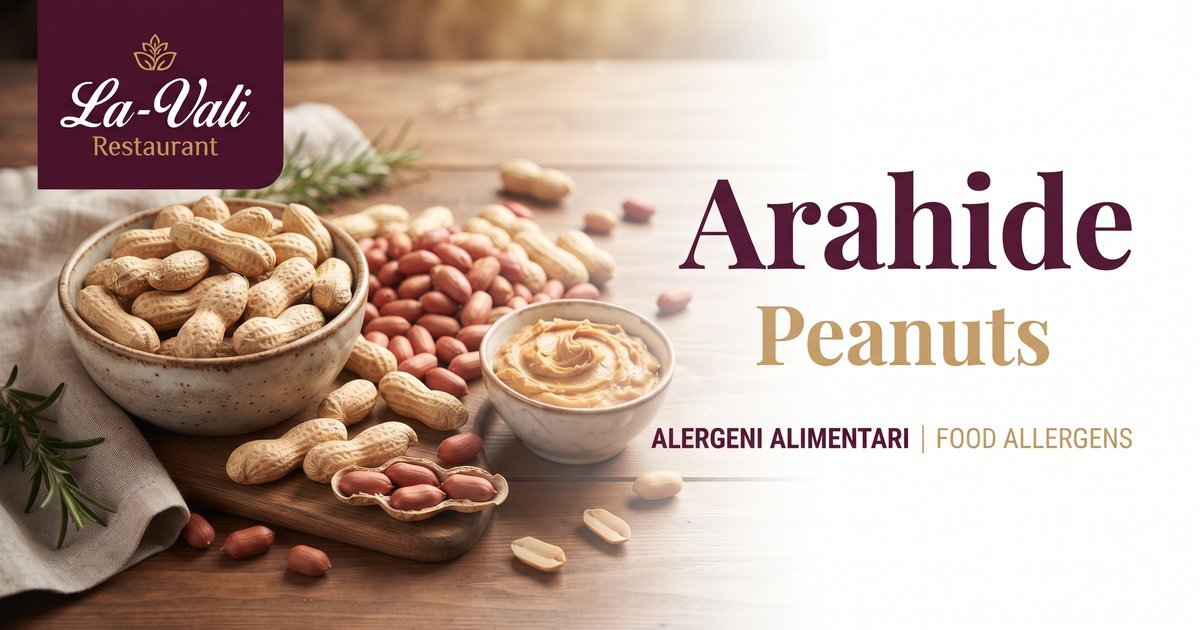
Peanuts and products derived from them are among the food allergens that must be declared under European food labelling legislation. Although they are often confused with tree nuts, peanuts are legumes and represent a separate allergen category.
For people with a peanut allergy, even a very small amount of peanut protein can trigger a severe allergic reaction.
Where can peanuts be found?
Peanuts are used both as a main ingredient and as a secondary ingredient in many food products. Common examples include:
-
Roasted, salted or plain peanuts;
-
Peanut butter and peanut spreads;
-
Chocolate and confectionery products;
-
Biscuits, cakes and pastries;
-
Ice cream and various desserts;
-
Sauces and Asian dishes;
-
Mixed nuts and seed products;
-
Processed foods containing peanut flour, paste or protein.
Peanuts may also be present in products where their presence is not immediately obvious, making careful ingredient and label checks essential.
What does a peanut allergy involve?
A peanut allergy occurs when the immune system reacts to certain proteins found in peanuts.
It is one of the food allergies that can cause severe reactions, including anaphylaxis. Reactions may occur even after exposure to very small amounts.
Possible symptoms include:
-
Itching and hives;
-
Swelling of the lips, face or tongue;
-
Abdominal pain, nausea and vomiting;
-
Coughing, wheezing and breathing difficulties;
-
Dizziness and low blood pressure;
-
Severe systemic allergic reactions.
Breathing difficulties, swelling of the tongue or throat, and other signs of anaphylaxis require immediate emergency medical attention.
Peanuts and tree nuts
Although they are often grouped together in everyday language, peanuts are not tree nuts.
Peanuts belong to the legume family, alongside beans, peas and lentils. Almonds, walnuts, hazelnuts, pistachios and cashews belong to the tree nut category.
Being allergic to peanuts does not automatically mean being allergic to all tree nuts, although associated allergies may occur. Each case should be assessed individually by an allergy specialist.
Peanuts in oils and processed products
Peanut oil may be used in certain prepared dishes and food products.
The degree of refining is important: highly refined peanut oil generally contains very little protein, whereas unrefined peanut oil may retain allergenic proteins.
People with peanut allergies should not assume that every product containing peanut oil is safe. These situations should be assessed with an allergy specialist, and product ingredients should always be checked carefully.
How can cross-contamination be prevented?
Cross-contamination can occur when peanuts or products containing them come into contact with other foods.
Important precautions include:
-
Using clean utensils and containers;
-
Keeping preparation surfaces separate;
-
Thoroughly washing hands and equipment;
-
Avoiding the reuse of oil in which peanut-containing products have been cooked;
-
Carefully cleaning preparation equipment and work areas;
-
Checking the ingredients and labels of all products used.
Removing visible peanuts from a contaminated dish does not make it safe for someone with a peanut allergy.
Our commitment to food information
At La-Vali, we believe that providing accurate information about ingredients and allergens is essential for our customers' safety.
We encourage anyone with a food allergy to request information before ordering and to inform our staff about any dietary restrictions.
This information is provided for educational purposes and does not replace professional medical advice from an allergy specialist.
💬 Comments (0)
💬 Join the Conversation
Log in quickly with Telegram to leave a comment.